
Video has become one of the most powerful ways businesses communicate with customers, employees, and stakeholders. From product demonstrations and corporate training to social media campaigns and brand storytelling, video captures attention more effectively than text or static images because it combines visuals, audio, and motion to improve understanding and information retention. Research published in educational and communication journals has consistently shown that multimedia learning can enhance comprehension and engagement when visual and verbal information are presented together. As a result, organizations across industries continue to invest in high-quality video content to support marketing, education, recruitment, and customer communication.
As demand for professional video content grows, so does the need for skilled project leadership. Creating an effective video requires much more than operating a camera or editing footage. Every successful production depends on careful planning, coordination, budgeting, scheduling, and collaboration before, during, and after filming. This is where a video producer plays a critical role. Rather than focusing on a single technical task, a video producer oversees the entire production process to ensure each project aligns with business objectives, creative vision, and delivery timelines. In this guide, you’ll learn what a video producer does, how they manage each stage of production, and why their expertise is essential for delivering successful video projects.
What Is a Video Producer?
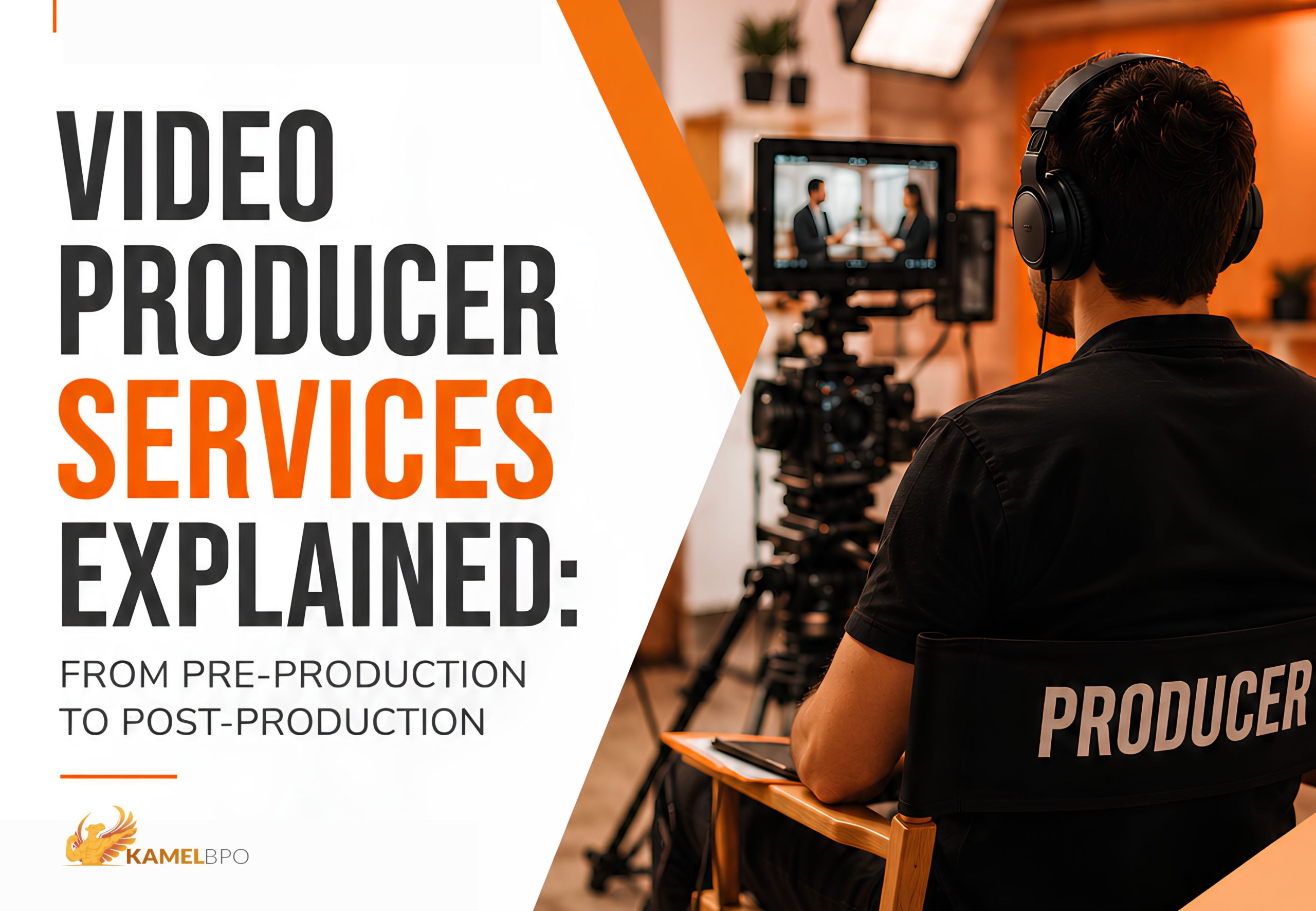
A video producer is the person responsible for overseeing every stage of a video project, from the initial idea to the final delivery. While directors focus on creative execution during filming and editors refine the finished product, a video producer manages the overall production process to ensure the project meets its objectives, stays within budget, and is completed on schedule. In many organizations, the video producer serves as the central point of coordination between clients, creative teams, and technical professionals.
The role involves much more than organizing production logistics. A video producer develops production plans, prepares budgets, creates schedules, coordinates team members, and maintains communication with stakeholders throughout the project. In addition, they monitor quality standards to ensure the final video reflects the organization’s brand, messaging, and goals. Effective project management practices, including detailed planning, clear communication, and ongoing quality assurance, have long been recognized in project management research as essential factors for delivering successful creative projects on time and within scope.
Depending on the organization’s needs, a video producer may manage a wide variety of projects. Marketing videos help businesses increase brand awareness and generate leads, while corporate videos communicate company values, announcements, and internal initiatives. Training videos support employee development by delivering consistent learning experiences, and product demonstrations showcase features and benefits in a clear, engaging format. Many businesses also rely on video producers to coordinate social media content that aligns with campaign objectives and audience preferences. Event videos, including conferences, webinars, product launches, and company celebrations, also require careful planning to capture key moments while maintaining production quality. Regardless of the project type, the video producer ensures every stage contributes to a polished and effective final product.
What Does a Video Producer Do During Each Stage of Production?
Pre-Production
Every successful video begins long before the camera starts recording. The pre-production phase establishes the foundation for the entire project, making it one of the most important responsibilities of a video producer. Studies in media production and project management consistently show that thorough planning reduces production delays, minimizes costs, and improves overall project outcomes. For this reason, experienced video producers invest significant time in preparation before filming begins.
The process starts by understanding the organization’s business objectives. Rather than simply producing visually appealing content, a video producer identifies the purpose of the project, whether it aims to generate leads, educate employees, promote a product, strengthen brand awareness, or communicate with customers. These objectives influence every creative and operational decision throughout production.
Once the goals are clearly defined, the video producer works with stakeholders to develop the creative concept. This stage involves identifying the target audience, selecting the appropriate messaging, and determining the overall style and tone of the video. Next, script coordination ensures the narrative effectively communicates the intended message, while storyboarding transforms written concepts into visual sequences that guide production. These planning tools help align expectations among clients, directors, videographers, and editors before filming begins.
The video producer also prepares the operational framework for the project. Budget planning allocates resources for equipment, locations, talent, editing, graphics, and contingency expenses. Scheduling establishes realistic production timelines that coordinate filming dates, editing milestones, review cycles, and final delivery deadlines. At the same time, talent sourcing involves identifying presenters, actors, voice-over artists, or subject matter experts who best represent the project’s objectives.
Location scouting ensures filming environments support both creative and technical requirements, including lighting, accessibility, permits, and noise considerations. Equipment planning identifies the cameras, lighting systems, audio equipment, drones, or specialized production tools needed to achieve the desired quality while remaining within budget. Finally, risk management addresses potential challenges such as scheduling conflicts, weather disruptions, technical failures, or safety concerns by preparing contingency plans before production begins. This proactive approach helps minimize unexpected delays and keeps the project moving efficiently.
Production
Once pre-production is complete, the project moves into the production phase, where planning turns into execution. During filming, the video producer oversees daily operations to ensure every aspect of the shoot runs according to plan. Although directors focus on creative decisions behind the camera, the video producer manages the broader production workflow by coordinating people, resources, and schedules. This oversight allows the creative team to concentrate on capturing high-quality footage while production activities remain organized and efficient.
One of the primary responsibilities during production is managing the production schedule. Every filming day follows a carefully planned timeline that outlines call times, scene sequences, equipment setup, location changes, and scheduled breaks. The video producer monitors progress throughout the day and adjusts the schedule when unexpected situations arise. This flexibility is essential because production delays caused by weather, equipment issues, or scheduling conflicts can increase costs and affect delivery deadlines if not addressed promptly.
In addition, the video producer coordinates the entire production crew. This includes videographers, directors, camera operators, lighting technicians, sound engineers, production assistants, makeup artists, talent, and other specialists involved in the project. Clear communication ensures everyone understands their responsibilities, production priorities, and any schedule adjustments. Project management research consistently identifies effective team coordination and communication as key contributors to successful project outcomes, particularly in complex creative environments where multiple teams work simultaneously.
The video producer also serves as the primary point of communication between the production team and stakeholders. Throughout filming, clients may request adjustments to messaging, product demonstrations, interview questions, or visual elements. Rather than allowing these requests to disrupt production, the video producer evaluates their impact on the schedule, budget, and creative objectives before coordinating the necessary changes with the appropriate team members. This structured communication helps maintain alignment between business goals and production activities.
Production rarely proceeds without challenges, so problem-solving becomes another critical responsibility. Equipment malfunctions, weather changes, unavailable locations, or last-minute talent issues require immediate decisions that minimize downtime. Because contingency plans are typically prepared during pre-production, the video producer can respond quickly without compromising production quality or delaying the overall project.
Meanwhile, quality control remains a continuous priority throughout filming. The video producer reviews captured footage with the creative team to verify that scenes meet technical and creative standards before production moves forward. This includes checking framing, lighting, audio clarity, continuity, and overall alignment with the approved concept. Identifying issues during filming is significantly more efficient than discovering them during editing, when reshoots may be costly or impractical.
Financial oversight also continues during production. The video producer tracks expenses against the approved budget, authorizes necessary expenditures, and monitors resource allocation to prevent unnecessary costs. By balancing production quality with financial accountability, organizations can maximize the value of their investment while avoiding budget overruns.
At the same time, the video producer closely monitors milestones to keep the project on schedule. Each completed scene, interview, or production activity supports the next phase of editing and post-production. Maintaining momentum during filming reduces downstream delays and helps ensure the final video is delivered according to the agreed timeline.
Post-Production
After filming wraps, the project enters post-production, where raw footage is transformed into a polished video that achieves the intended business objectives. During this stage, the video producer continues to oversee the workflow by coordinating creative teams, managing review processes, and ensuring the final deliverable meets quality standards. Effective post-production requires structured collaboration because multiple specialists often work simultaneously to refine visual, audio, and graphic elements.
The process begins with editing coordination. The video producer works closely with editors to organize footage, select the strongest takes, and assemble the story according to the approved script and storyboard. As editing progresses, additional creative elements such as motion graphics and animation may be incorporated to explain complex concepts, reinforce branding, or increase viewer engagement. These visual enhancements are especially valuable in product demonstrations, training videos, and corporate presentations because they simplify information and improve audience understanding.
Next, the video producer oversees color correction and sound design. Color correction ensures visual consistency across scenes by adjusting brightness, contrast, white balance, and color tones, while sound design enhances dialogue clarity, balances audio levels, and integrates sound effects where appropriate. Research in multimedia learning and audiovisual communication indicates that high-quality audio and visual presentation improves audience comprehension and overall viewing experience. When background music is included, the video producer also manages music licensing to ensure all content complies with copyright and licensing requirements.
Review cycles represent another important responsibility during post-production. The video producer coordinates internal quality checks before presenting drafts to stakeholders for evaluation. Client feedback is collected, prioritized, and translated into actionable revisions without compromising production timelines or project scope. Clear communication throughout this process helps prevent unnecessary revision rounds while ensuring the final video aligns with business goals and stakeholder expectations.
Once all revisions have been approved, the video producer oversees final delivery by verifying export settings, file formats, and technical specifications required for various platforms. Distribution planning may also involve preparing videos for websites, social media channels, internal learning systems, digital advertising campaigns, or streaming platforms. Careful coordination during this stage ensures the finished content reaches its intended audience in the most effective format.
Why Businesses Hire a Professional Video Producer?
As organizations increase their investment in video marketing, employee training, and digital communication, they need more than creative expertise alone. They need structured project leadership that keeps production organized, efficient, and aligned with business goals. A professional video producer delivers this oversight, allowing organizations to achieve stronger outcomes while reducing operational complexity throughout the production process.
One of the greatest advantages is better project organization. A video producer establishes clear workflows, production schedules, budgets, and communication channels before work begins. This level of planning reduces confusion, improves collaboration among creative and technical teams, and helps projects progress more efficiently from concept to completion.
Businesses also benefit from higher production quality because the video producer maintains consistent standards throughout every stage of production. Rather than focusing solely on technical execution, they ensure messaging, visuals, sound, branding, and storytelling work together to support organizational objectives. Consequently, the final product presents a more professional and credible image to customers, employees, and stakeholders.
Consistency is equally important for organizations producing multiple videos over time. A video producer helps maintain brand identity by ensuring visual style, messaging, tone, and production quality remain aligned across campaigns and communication channels. This consistency strengthens brand recognition and builds trust with target audiences.
Furthermore, experienced production management leads to faster turnaround times. Careful scheduling, resource allocation, and proactive problem-solving reduce unnecessary delays and minimize disruptions during production. At the same time, structured planning lowers production risks by identifying potential issues before they affect budgets or deadlines.
Efficient resource management also contributes to improved business performance. By coordinating personnel, equipment, locations, and production activities, the video producer maximizes available resources while controlling unnecessary expenses. This balanced approach allows organizations to produce high-quality content without sacrificing operational efficiency.
From a marketing perspective, professionally managed video projects often generate stronger audience engagement because they communicate messages more clearly and deliver a better viewing experience. High-quality content encourages viewers to watch longer, understand key information, and interact with the brand more effectively. As video becomes an increasingly important part of digital marketing strategies, these improvements can contribute to better returns on video marketing investments through higher engagement, improved brand awareness, and stronger customer relationships.
Industries That Benefit Most from a Video Producer
Organizations across many industries rely on a video producer to create content that informs, educates, promotes, and engages different audiences. Because each sector has unique communication goals, strategic production management ensures every video supports broader business objectives.
Software-as-a-Service (SaaS) companies use videos to demonstrate product features, onboard new customers, and explain complex software solutions in a way that is easy to understand. Similarly, healthcare organizations produce educational materials, patient information videos, staff training programs, and public awareness campaigns that require accuracy, compliance, and clear communication.
Educational institutions depend on professional video production for online learning, virtual classrooms, recruitment campaigns, and faculty presentations. Meanwhile, manufacturers use video to showcase production processes, demonstrate equipment operation, improve workplace safety training, and support technical documentation.
In the real estate industry, professionally produced property tours and community showcases help buyers visualize properties before scheduling inspections. Financial services firms also rely on video to explain financial products, strengthen client relationships, and simplify complex regulatory information.
E-commerce businesses use product demonstrations, customer testimonials, and promotional videos to support purchasing decisions and increase online conversions. Likewise, hotels, resorts, and tourism businesses create immersive visual experiences that highlight destinations, accommodations, and guest services to attract travelers.
Recruitment teams increasingly use employer branding videos, employee testimonials, and workplace culture content to attract qualified candidates in competitive hiring markets. Nonprofit organizations also benefit from strategic video storytelling by communicating their mission, highlighting community impact, engaging donors, and encouraging volunteer participation. Across these industries, effective production management helps organizations deliver professional video content that supports communication, marketing, education, and long-term business growth.
In-House vs Outsourced Video Producer
Choosing the right video producer depends on your organization’s production volume, budget, and long-term business objectives. While each hiring model offers distinct advantages, understanding their differences helps businesses select the most effective solution.
An in-house video producer works as a permanent member of the organization and is readily available for ongoing projects. This arrangement provides greater familiarity with company branding, internal processes, and organizational goals. However, maintaining an in-house production team also involves higher fixed costs, including salaries, employee benefits, software licenses, equipment purchases, and continuous professional development. In addition, scalability can become a challenge when production demands increase beyond the team’s capacity.
A freelance video producer offers flexibility for short-term or specialized projects. Businesses can hire freelancers as needed without long-term employment commitments. However, quality and availability may vary depending on experience, workload, and scheduling. Since freelancers often work independently, organizations may also need to provide additional project management and coordination to keep production on track.
An outsourced video producer combines dedicated project support with greater operational flexibility. Businesses gain access to experienced production professionals without the overhead associated with hiring full-time employees. Outsourcing also provides scalable production resources, allowing organizations to expand or reduce support as project requirements change. Furthermore, businesses can benefit from a broader range of creative and technical expertise while building long-term collaborative relationships that improve efficiency over multiple projects. For organizations producing regular marketing, training, or corporate content, outsourcing often delivers the best balance between quality, cost efficiency, and scalability.
How to Choose the Right Video Producer?
Selecting the right video producer requires evaluating both creative capabilities and project management expertise. A strong candidate should demonstrate relevant experience managing projects similar to your organization’s needs. Reviewing their portfolio allows you to assess production quality, storytelling ability, and consistency across different types of video content.
Industry knowledge is equally valuable because familiarity with your sector enables the video producer to understand your audience, compliance requirements, and communication goals more quickly. In addition, effective communication skills help maintain collaboration among stakeholders, creative teams, and technical specialists throughout production.
Project management ability should also be a priority. Look for professionals who can develop production schedules, manage budgets, coordinate multiple contributors, and adapt to changing circumstances without compromising quality or deadlines. Strong creative problem-solving skills enable them to respond effectively when unexpected production challenges arise.
Finally, evaluate technical expertise, reliability, and business understanding. A qualified video producer should consistently deliver projects on time while ensuring every production supports measurable business objectives rather than simply producing visually appealing content.